
The today’s article is dedicated once again to the Facade Design Pattern. In my previous article on the matter, I showed you how you can utilize the pattern to build more readable tests. Here I am going to present you how to improve further the usage of the facade design pattern. The new version is going to follow the Dependency Inversion Principle. This way you can bring even more abstraction to your test framework and make your tests even more maintainable.
Definition
A facade is an object that provides a simplified interface to a larger body of code, such as a class library. It makes a software library easier to use and understand, is more readable, and reduces dependencies on external or other code.
How not to Use Facade Design Pattern
A couple of years ago when I started to use the facade design pattern, I didn’t apply it correctly. The main problem that my teammates and I tried to solve back then was the lack of code reuse in our tests. We succeeded in our quest, and our code started to follow one of the main superb programming principles- DRY Don’t Repeat Yourself.

Don’t Repeat Yourself Principle (DRY)
The developer who learns to recognize duplication, and understands how to eliminate it through appropriate practice and proper abstraction, can produce much cleaner code than one who continuously infects the application with unnecessary repetition. Duplication results in increased probability of bugs and adds complexity to the system. Moreover, duplication makes the system more difficult to understand and maintain.
However, there was one significant problem with the initial version of our facades. Back then we were still not using the Page Object Pattern. As a result, the size of our facades’ files got enormous, like thousands of lines of code.
Initial Version Facade Design Pattern
Below you can find the previously presented example regarding the correct usage of the facade design pattern. The tests’ logic/workflow is encapsulated in the PurchaseFacade class.
public class PurchaseFacade
{
    private ItemPage itemPage;
    private CheckoutPage checkoutPage;
    private ShippingAddressPage shippingAddressPage;
    private SignInPage signInPage;

    public ItemPage ItemPage
    {
        get
        {
            if (itemPage == null)
            {
                itemPage = new ItemPage();
            }
            return itemPage;
        }
    }

    public SignInPage SignInPage
    {
        get
        {
            if (signInPage == null)
            {
                signInPage = new SignInPage();
            }
            return signInPage;
        }
    }

    public CheckoutPage CheckoutPage
    {
        get
        {
            if (checkoutPage == null)
            {
                checkoutPage = new CheckoutPage();
            }
            return checkoutPage;
        }
    }

    public ShippingAddressPage ShippingAddressPage
    {
        get
        {
            if (shippingAddressPage == null)
            {
                shippingAddressPage = new ShippingAddressPage();
            }
            return shippingAddressPage;
        }
    }

    public void PurchaseItem(string item, string itemPrice, ClientInfo clientInfo)
    {
        this.ItemPage.Navigate(item);
        this.ItemPage.Validate().Price(itemPrice);
        this.ItemPage.ClickBuyNowButton();
        this.SignInPage.ClickContinueAsGuestButton();
        this.ShippingAddressPage.FillShippingInfo(clientInfo);
        this.ShippingAddressPage.Validate().Subtotal(itemPrice);
        this.ShippingAddressPage.ClickContinueButton();
        this.CheckoutPage.Validate().Subtotal(itemPrice);
    }
}
In case the workflow of the test case is changed, it can be quickly updated only in a single place. Or if you want to add additional assertions, they can be added to the PurchaseItem method.
For more detailed overview and usage of many more design patterns and best practices in automated testing, check my book “Design Patterns for High-Quality Automated Tests, C# Edition, High-Quality Tests Attributes, and Best Practices”. You can read part of three of the chapters:
Defining High-Quality Test Attributes for Automated Tests
Benchmarking for Assessing Automated Test Components Performance
Generic Repository Design Pattern- Test Data Preparation
Improved Version Facade Design Pattern
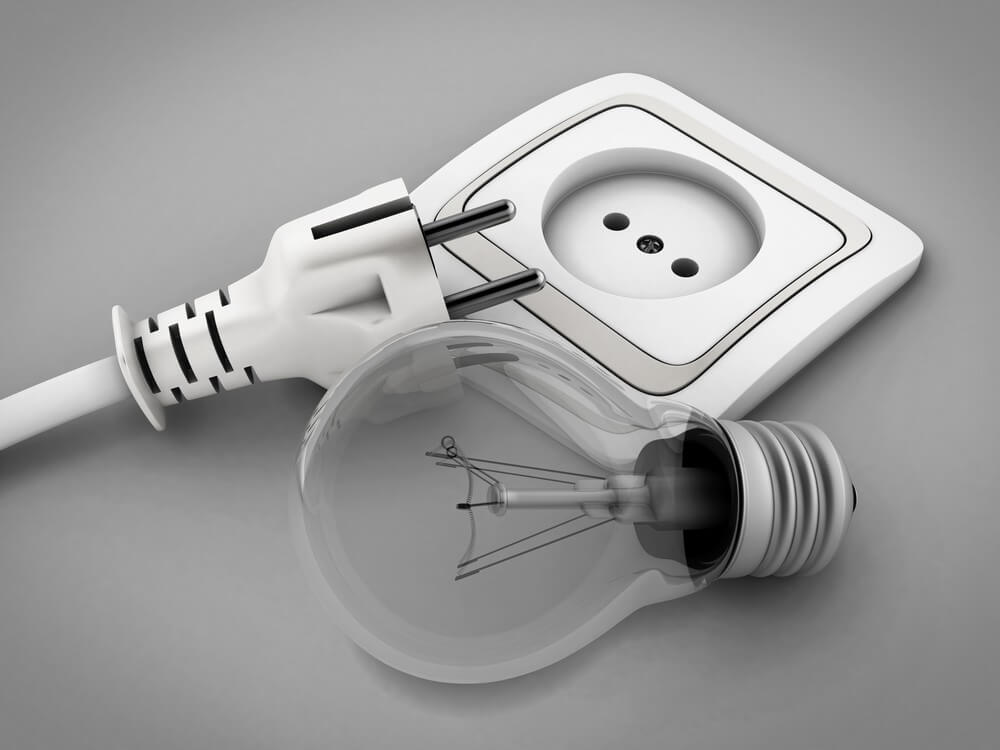
The only issue of the previously presented code is that it doesn’t follow the Dependency Inversion Principle.
Dependency Inversion Principle
It suggests that our high-level components (the facades) should not depend on our low-level components (the pages); rather, they should both depend on abstractions.
Find below, the code of the improved version of the facade that holds the logic related to the creation of purchases.
public class ShoppingCart
{
    private readonly IItemPage itemPage;

    private readonly ISignInPage signInPage;

    private readonly ICheckoutPage checkoutPage;

    private readonly IShippingAddressPage shippingAddressPage;

    public ShoppingCart(IItemPage itemPage, ISignInPage signInPage, ICheckoutPage checkoutPage, IShippingAddressPage shippingAddressPage)
    {
        this.itemPage = itemPage;
        this.signInPage = signInPage;
        this.checkoutPage = checkoutPage;
        this.shippingAddressPage = shippingAddressPage;
    }

    public void PurchaseItem(string item, double itemPrice, ClientInfo clientInfo)
    {
        this.itemPage.Open(item);
        this.itemPage.AssertPrice(itemPrice);
        this.itemPage.ClickBuyNowButton();
        this.signInPage.ClickContinueAsGuestButton();
        this.shippingAddressPage.FillShippingInfo(clientInfo);
        this.shippingAddressPage.AssertSubtotalAmount(itemPrice);
        this.shippingAddressPage.ClickContinueButton();
        this.checkoutPage.AssertSubtotal(itemPrice);
    }
}